

Facial Redness: Causes, Prevention, and 6 Management Strategies
Facial redness can show up without warning – a flush across the cheeks, a patch around the nose, or a warmth that never quite settles. For this reason, facial redness often feels unpredictable – and, for many people, difficult to manage.
But facial redness rarely appears without reason – and it’s often a sign your skin needs gentler, more targeted skincare.
In this article, we explain what causes facial redness, how to prevent it, and how skin-friendly formulas like our Ultra Facial Meltdown Recovery Cream can fit into a routine that helps keep your skin cool and collected.
What is facial redness?
Facial redness can refer to both temporary flushing and ongoing red blotchiness across the skin. It often appears in the centre of the face – the forehead, nose, cheeks, and chin – though the pattern varies from person to person.
For some, it’s purely visual. For others, it comes with heat, sensitivity, or itching. That’s why understanding what causes it in your own skin is the first step in knowing what helps with redness on face long term.
What causes facial redness?
Facial redness is a sign your skin is reacting to something.
When the skin is under stress, the body increases blood flow to the surface, creating a visible flush. This is part of the skin’s defence and repair response, but when it happens repeatedly, the colour can linger.
So, what causes facial redness in the first place?
Common triggers can include:
· Sensitive skin – blemish-prone or allergy-prone skin reacts faster and can flush easily when under pressure.
· Strong skincare ingredients (such as retinol, AHAs, and BHAs) can upset skin balance if introduced too quickly or used too often.
· Fragrance and soap-based formulas can heighten skin sensitivity.
· Extreme weather conditions – such as wind, cold air, and heat – can lead to dry skin in winter and increase flushing in hot or dry environments.
· Alcohol and spicy food. These are both triggers that increase blood flow and increase the visibility of facial redness.
· Over-cleansing and scrubbing – washing or exfoliating your face too often weakens the skin’s ability to stay balanced.
· Unprotected sun exposure – UV radiation increases the skin’s sensitivity.
· Frequent friction – glasses, face masks, phones, and constantly touching your face can disturb skin and contribute to facial redness.
Not sure if what you’re seeing is facial redness? Use our Instant Skin Reader for a personalised routine designed around your skin’s specific concerns.
How to reduce redness on face: 6 prevention and management tips
Reducing redness on the face starts with understanding what’s triggering it, then scaling your routine back to what your skin actually needs.
Sometimes the cause is visible – harsh weather, a busy weekend, or a product that feels too strong. Other times, flushing lingers because skin is under ongoing internal stress. In both cases, the best skincare for redness centres on gentle, consistent support.
Below, we share a simple facial redness routine – and explore how to work a targeted combination of Kiehl’s best-selling products to manage stressed skin.
1. Simplify your skincare routine
Often, facial redness demands a ‘less is more’ approach.
This means going back to the basics: cleansing, toning, and moisturising. This helps keep skin clean and supported, giving it space to settle without the pressure of too many products.
When it comes to how to prevent facial redness, this reset also helps you notice patterns. Does redness ease when you use fewer steps? Does it produce visible changes after you apply specific skincare ingredients or products? Pay attention to – and, if necessary, record – these changes, as these insights will help manage and track your facial redness.
2. Prioritise ingredients that help skin retain hydration
Skin that flushes easily often struggles to hold onto hydration.
That means it’s vital to seek out formulas that pair water-binding ingredients with those that help keep moisture in place. The best skincare for redness will include:
· Humectants – a class of ingredients, which includes glycerin and hyaluronic acid, that attract water to the skin.
· Emollients – this group of ingredients – which counts squalane, ceramides, and colloidal oatmeal among it – help seal in moisture.
3. Wash your skin with a gentle facial cleanser
When managing facial redness, it’s crucial to choose a cleanser that works with – rather than against – your skin’s unique type and needs.
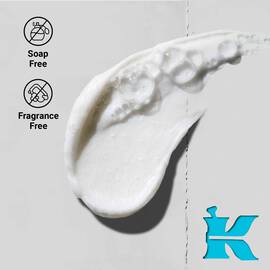
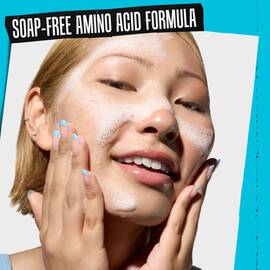
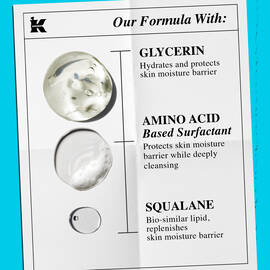
Our Ultra Facial Barrier-Hydrating Cleanser uses a cream-to-foam texture designed specifically for sensitive skin. Free from soap and fragrance, it uses amino acid surfactants to lift away impurities while helping the skin maintain moisture. It’s also formulated with squalane and glycerin to further support hydration as you cleanse.
When you wash your face, use lukewarm water and massage gently with your fingertips. Vigorous rubbing creates friction, which may intensify facial redness.
4. Rebalance skin with an alcohol-free toner
Skin often feels most sensitive straight after cleansing. This is where toner plays a key role – helping to restore balance, replenish hydration, and prepare your skin for what comes next.
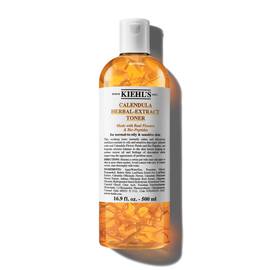
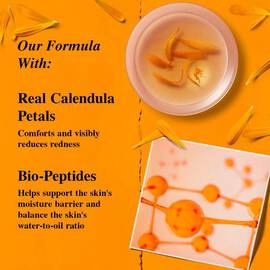
Our Calendula Herbal Extract Toner helps remove any residue left behind after cleansing while delivering soothing care to the skin. Formulated with hand-picked calendula flower petals, this gentle, alcohol-free toner helps calm and rebalance skin, making it suitable for redness-prone or sensitive complexions.
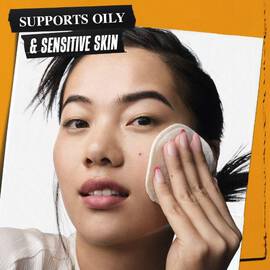
Simply apply after cleansing, or whenever skin needs a reset. Pat on gently with your palms to minimise friction or use a soft cotton pad.
5. Switch to a moisturiser for redness-prone skin
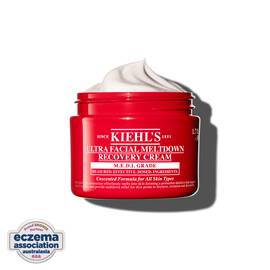
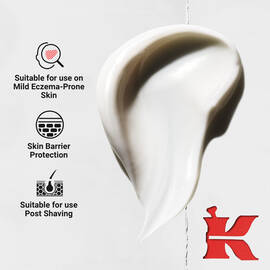
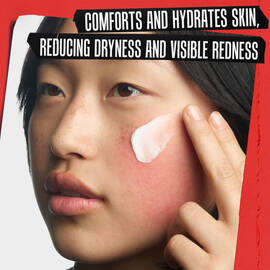
When skin holds onto hydration, it is better equipped to handle everyday triggers that lead to facial redness. Our Ultra Facial Meltdown Recovery Cream is designed for just this purpose. Tailored to sensitive skin, this lightweight medicated moisturiser helps reduce the appearance of redness while caring for a damaged skin moisture barrier.
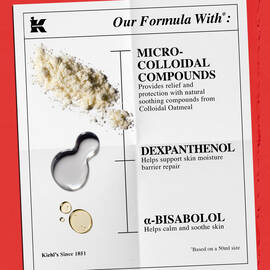
Colloidal oatmeal forms a breathable layer across the surface to help protect against irritants and retain moisture, while α-Bisabolol , derived from chamomile, targets the visible signs of facial redness. As it melts in, the formula replenishes hydration and softens dry areas.
Apply a small amount – around the size of a ten-cent coin – while skin is still slightly damp to help lock in hydration.
6. Protect your skin from UV exposure
Are you applying sunscreen every day?
UV radiation can increase skin sensitivity, which may cause facial redness to look stronger and linger. Daily SPF helps prevent that cycle from building, though – which is why sunscreen is a non-negotiable step in your morning routine. Consistent use plays a key role in how to prevent facial redness and keep the skin balanced.
Now you know what causes facial redness, explore how natural ingredients can benefit skin – and which ones sensitive skin responds to best.
Shop this article

Ultra Facial Meltdown Recovery Cream
A lightweight medicated face cream with Colloidal Oatmeal and α-Bisabolol that works to relieve and repair extremely dry, sensitive skin.


Calendula Herbal Extract Toner
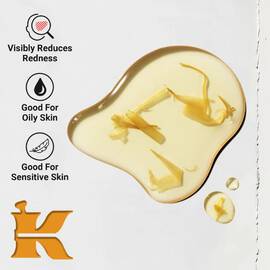
A soothing herbal extract toner infused with Calendula petals and bio-peptides to help visibly reduce redness and balance the skin’s water to oil ratio.
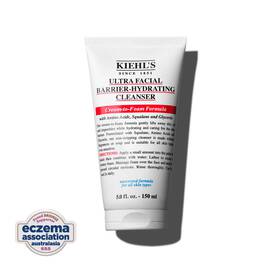
Ultra Facial Barrier-Hydrating Cleanser
A hydrating, cream-to-foam face cleanser for sensitive skin that lifts impurities while supporting the skin barrier. <br>Recognised by EAA for suitability on eczema-prone skin


