

Bisabolol: What it is, How to Apply it, and Why it's Your Next Skincare Essential
Bisabolol often goes unnoticed on an ingredient list – but for skin that feels dry, tight, or easily affected, it can change how a formula feels and works.
But what is bisabolol?
It’s a lightweight ingredient derived from plants, renowned in sensitive skincare for how it supports the skin’s surface and helps maintain hydration.
Below, we break down what bisabolol does for skin, why it plays a key role in our Ultra Facial Meltdown Recovery Cream, and how to introduce it into your routine with Kiehl’s.
What is bisabolol?
Bisabolol – also known as α-bisabolol – is a lightweight oil derived from chamomile and the Candeia tree. These plants have been used for centuries in teas and oils for relaxation and comfort, but in skincare, bisabolol is valued for how it comforts sensitive skin. This is why you’ll often find it in serums and moisturisers formulated to remain gentle on the skin.
What does bisabolol do for skin?
Bisabolol helps reduce the appearance of facial redness by limiting how strongly your skin reacts to everyday triggers – such as sun, wind, and temperature fluctuations – so those changes appear less visible on the surface. It also helps slow water loss from the skin, keeping your skin hydrated (especially during winter, when dry skin concerns are prominent).
Alongside this, bisabolol’s skin benefits include supporting the delivery of other ingredients – allowing ones like retinol and vitamin C to spread evenly across your skin.
5 bisabolol benefits for your skin
If you’re looking to reduce the appearance of redness or bring back a more even-looking tone, bisabolol is an ingredient worth paying attention to.
Below, we break down what bisabolol does for skin and where it can fit into your routine.
1. Comforts sensitive skin
Whether you’re stepping outside, moving between temperatures, or even applying new products, sensitive skin is constantly reacting. One of the key bisabolol benefits for skin is its ability to limit that response: helping reduce how strongly redness shows, making changes in tone appear less sudden, and supporting how your skin tolerates the rest of your routine.
2. Boosts hydration and strengthens the skin moisture barrier
Bisabolol helps slow transepidermal water loss – the process by which water escapes from your skin into the air, and one of the main reasons skin can look dry. By interacting with the skin’s surface layer – the skin moisture barrier – bisabolol helps keep that moisture in place.
That’s why bisabolol is a key ingredient to look for when deciding what moisturiser to use, as it helps your skin retain the hydration you’re applying.
3. Reduces facial redness
Facial redness isn’t random – it’s your skin increasing blood flow to the surface in response to triggers. One of the main bisabolol skin benefits is how it helps limit that response at the source. Bisabolol works by influencing the signals in your skin that trigger this increase in blood flow, so less colour shows on the surface. This helps your complexion stay consistent throughout the day, rather than shifting due to heat, stress, or other sensitivity triggers.
4. Supports blemish-prone skin
One of the key bisabolol uses is its effectiveness for blemish-prone skin.
Breakouts often stand out because of the redness around them, but bisabolol helps reduce that contrast – helping blemishes appear less noticeable on the surface. Bisabolol also supports how your skin looks during a breakout, helping tone appear more even.
5. Provides antioxidant support
UV and pollution create free radicals that build over time and show up on your skin as dark spots and hyperpigmentation. Bisabolol helps neutralise free radicals early, limiting how these changes appear – making it a valuable addition to an anti-ageing skincare routine, even before visible signs develop.
How to use bisabolol in your skincare routine
If your skin feels easily sensitised or you notice facial redness throughout the day, simplify your routine. Using a moisturiser with bisabolol helps support how your skin responds while keeping it hydrated.
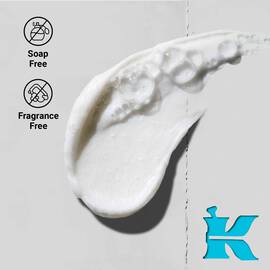
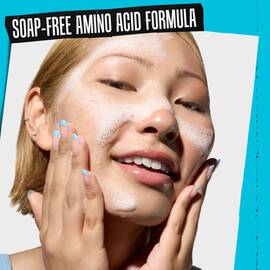
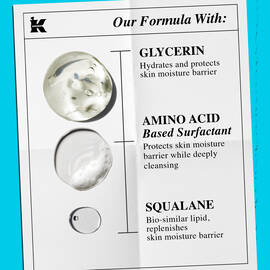
Start with a clean base using our Ultra Facial Barrier-Hydrating Cleanser. It uses amino acid surfactants to cleanse without disrupting your skin, while squalane and glycerin help maintain moisture.
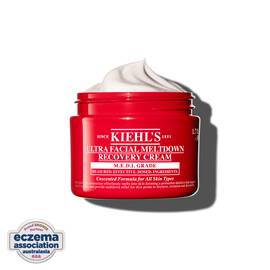
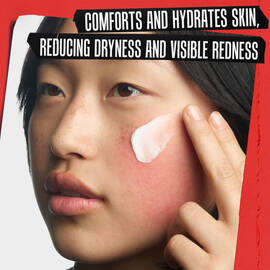
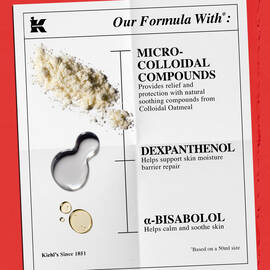
Follow with our Ultra Facial Meltdown Recovery Cream. Formulated with bisabolol and colloidal oatmeal , it melts into your skin on contact, delivering hydration to skin that feels easily sensitised while helping reduce the appearance of redness linked to daily exposure to environmental stressors.
Quick tips for applying your moisturiser
How you apply your moisturiser shapes how it sits on your skin. Small changes in technique can influence how evenly it spreads and how well it hydrates your skin.
When applying your moisturiser:
1. Apply it as your final step – sealing in everything underneath and helping limit water loss.
2. Apply to slightly damp skin – use it straight after cleansing or showering to lock in moisture before it evaporates.
3. Press into your skin – use your palms instead of rubbing, so it settles into an even layer.
4. Use upward motions – start at the centre of your face and move outward to spread it without pulling your skin.
With bisabolol’s benefits for dry skin in mind, expand your knowledge of this skin concern with our skincare routine for dry skin.
Shop this article.
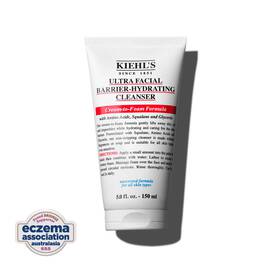


Ultra Facial Barrier-Hydrating Cleanser
A hydrating, cream-to-foam face cleanser for sensitive skin that lifts impurities while supporting the skin barrier. <br>Recognised by EAA for suitability on eczema-prone skin

Ultra Facial Meltdown Recovery Cream
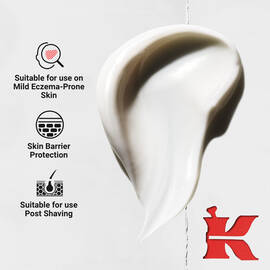
A lightweight medicated face cream with Colloidal Oatmeal and α-Bisabolol that works to relieve and repair extremely dry, sensitive skin.
EXPLORE MORE SKINCARE ADVICE


STAY IN TOUCH
