

How to Exfoliate Your Face: An Expert Guide
Exfoliation plays a significant role in unlocking smoother, clearer, brighter skin. But along with their many benefits, exfoliants are quite potent, so it’s important to take care when introducing them to your skincare routine.
Whether your goal is to minimise breakouts, refine texture, or get glowing skin, learning how to exfoliate skin is the first step.
Below, we’ll cover different types of exfoliation and our expert tips on how to remove dead skin from your face without disrupting the ever-important skin moisture barrier.
What does exfoliation do for your skin?
Using an exfoliant can help slough dead skin cells that build up on the skin surface. By encouraging skin cell turnover, exfoliation provides ample benefits:
- Unclogs pores
- Regulates oil production
- Reduces the occurrence of breakouts
- Smooths and refines skin texture (such as fine lines)
- Brightens and unifies skin tone
- Targets hyperpigmentation such as dark spots and post-blemish marks
What are the types of exfoliation?
There are two main types of exfoliation – physical and chemical. Let’s take a look at the differences:
- Physical exfoliation, also known as “manual” exfoliation, involves the use of washcloths, loofahs or dry brushes to manually remove dead skin cells. Certain physical exfoliants are formulated as scrubs with microfine particles to slough the skin surface.
- Chemical exfoliation uses alpha hydroxy acids (AHAs), beta hydroxy acids (BHAs), and polyhydroxy acids (PHAs) to loosen the bonds between dead skin cells and usher newer, brighter skin to the surface. Chemical exfoliants are typically formulated in cleansers, toners, and serums – like Kiehl’s Clearly Corrective™ Daily Re-Texturizing Triple Acid Peel which includes a blend of AHA, BHA, and PHA.
Chemical exfoliants tend to be most compatible for the skin on the face, as physical exfoliants can tear the skin and heighten sensitivity.
How often should you exfoliate?
How often you exfoliate should be dictated by your individual skin type and concerns. Although everybody’s tolerance level is different, the below guide should help.
- Oily or blemish-prone skin: two to three times a week with a BHA-based exfoliant.
- Dry or sensitive skin: one to two times a week with a gentle exfoliating serum.
- Combination skin: adjust your schedule based on oil-prone areas.
- Dull or mature skin: exfoliation once or twice per week with AHAs may help improve tone and texture without dehydrating the skin.
How to exfoliate your face: 5-step guide
So, you’ve determined which type of exfoliation is best for your skin and how often – but how do you exfoliate your skin? We’ve curated a five-step guide for you:
- Wash your face with a cleanser to remove impurities.
- Apply an exfoliating serum.
- Follow with a hydrating serum to minimise dryness.
- Nourish the skin surface with a moisturiser.
- Protect your skin with a broad-spectrum, high-SPF sunscreen.
Let’s dive into each step in more detail.
1. Cleanse any impurities
Before any type of exfoliation, it’s essential to cleanse your face first. This step will help clear away any debris and impurities, giving you a clean canvas that won’t interfere with the exfoliation process. Remember that your choice of cleanser should always be tailored to your skin’s needs and concerns.
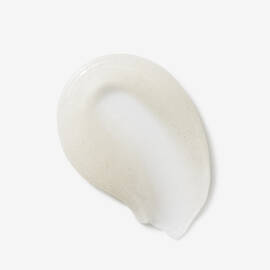
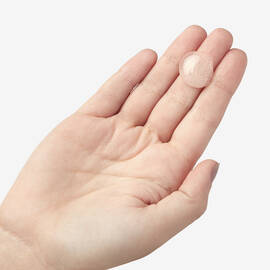
- For brightening and refining: we recommend our Clearly Corrective™ Brightening & Exfoliating Daily Cleanser, which has been developed to smooth, refine and brighten, while respecting the skin moisture barrier.
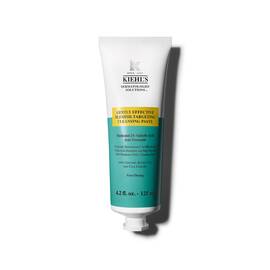
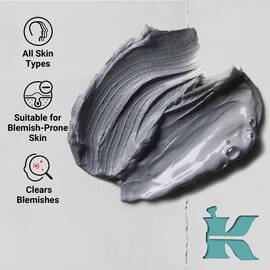
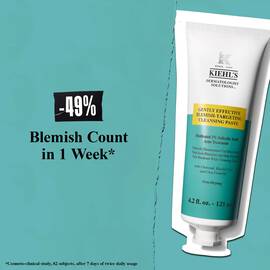
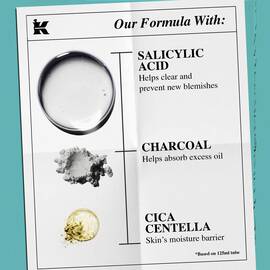
- For blemish-prone skin: we suggest a cleanser like our Gently Effective Blemish-Treating Facial Cleansing Paste. It’s enriched with 2% salicylic acid, charcoal, and kaolin clay to cleanse pores, absorb oil, and reduce blackheads, whiteheads, and other types of blemishes. This non-drying formula also contains cica centella and glycerin to maintain hydration and support your skin moisture barrier.
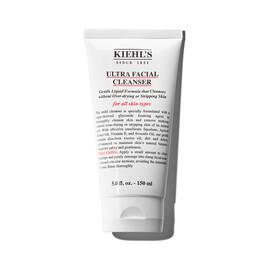
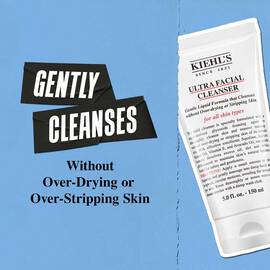
- For dry skin: you’ll want a hydrating cleanser like our Ultra Facial Cleanser, which removes impurities without over-drying the skin.
2. Apply a chemical exfoliant (evening only)
You can harness the power of BHAs and AHAs with an exfoliating serum. And, because they don’t rely on manual exfoliation, chemical exfoliants are a gentler yet effective method for removing dead skin from the face. However, since exfoliants can make your skin more photosensitive, we suggest application at night only.
Ensure that your skin is fully dry before applying your exfoliant. Then, apply four to five drops of the Ultra Pure High-Potency 9.8% Glycolic Acid Serum, pressing gently into the skin. This exfoliating serum is formulated to encourage the skin cell renewal process, which helps visibly smooth skin texture, reduce the appearance of pores, and improve radiance.
3. Use a hydrating serum
If you’re in the trial-and-error stages of how to exfoliate skin, you might notice that your skin feels drier than normal. While adept at unclogging pores and encouraging skin cell turnover, BHAs and AHAs can dry out the skin.
Now, if you have oily skin, you might be content with a moisturiser after exfoliation. However, other skin types may benefit from a serum to boost skin hydration. Our pick: the Ultra Pure High-Potency 1.5% Hyaluronic Acid Serum. This fast-absorbing hyaluronic acid serum intensely hydrates and plumps dry skin while supporting the skin moisture barrier.
4. Nourish with a moisturiser
Moisturiser will help lock in hydration at the skin surface and ensure your skin stays soft and supple for longer. That being said, it’s essential that you choose a moisturiser that’s right for your skin type. Explore two of our favourite formulas below.
- For oily to normal skin: Ultra Facial Oil-Free Gel Cream. This lightweight, oil-free moisturiser is the perfect follow-up to oily skin exfoliation. With a non-comedogenic formula, this moisturiser keeps skin hydrated for up to 24 hours without clogging pores.
- For dry, combination and sensitive skin: Ultra Facial Cream with Squalane. Our best-selling glycerin and squalane-infused moisturiser delivers a blend of humectants and emollients to the skin, ensuring long-lasting hydration and softness.
5. Protect with SPF (morning only)
Sunscreen is an essential step for all morning skincare routines, but it’s even more important when you’re dabbling with AHAs and BHAs in the evening – which make your skin more photosensitive (more susceptible to UV damage).
After moisturising, apply a broad-spectrum sunscreen with SPF50. If you are applying makeup after sunscreen, we recommend waiting at least five minutes before applying to ensure that it doesn’t compromise your protection factor. Once you have applied sunscreen, be sure to wait 20 minutes before any sun exposure.
Bonus face exfoliation tips: dos and don’ts
So, now that you’ve mastered our steps for how to exfoliate your face, here are some general skincare guidelines to keep in mind:
- Do: choose the exfoliant that’s right for your skin type. For instance, gentle AHAs are well-suited to dry skin types. BHAs penetrate deep into pores, making them ideal for oily skin.
- Don’t: over-exfoliate. This can lead to a damaged skin moisture barrier and increased sensitivity.
- Do: keep your skin hydrated. Though highly effective, exfoliants can have a drying effect on the skin, so make sure you incorporate a mix of humectants and emollients suited to your skin type.
- Don’t: mix with retinol and other potent ingredients. This combination can be very harsh on the skin, so avoid using exfoliants alongside retinol.
Now that you know how to exfoliate your face, discover how exfoliants help target hyperpigmentation and dark spots.
SHOP THIS ARTICLE
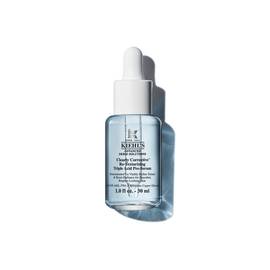

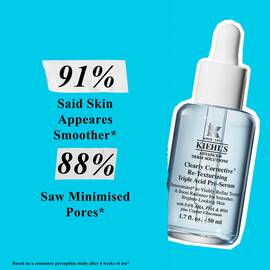
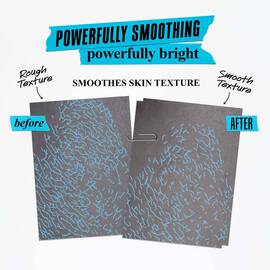

Clearly Corrective™ Daily Re-Texturizing Triple Acid Peel
A gentle triple acid peel formulated with AHA, BHA and PHA to visibly minimise pores, refine skin texture, and boost radiance, for smoother, brighter-looking skin.
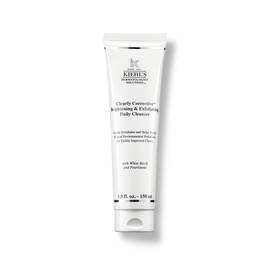
Clearly Corrective™ Brightening & Exfoliating Daily Cleanser
A skin brightening face wash that gently purifies and exfoliates skin.
Gently Effective Blemish-Treating Facial Cleansing Paste
A targeted blemish-cleansing paste with 2% Salicylic Acid and Kaolin Clay that helps reduce and prevent blemishes without drying skin.
Ultra Facial Foaming Cleanser
A foaming facial cleanser suitable for all skin types, including dry and sensitive. Gently removes excess oil, dirt and debris without drying or stripping the skin.


