

What is a Face Serum? Face Serum Benefits and How to Layer Serums Correctly
Just a few weeks of using a face serum can make a noticeable difference in how your skin looks and feels.
But what is a face serum for? It might sound like a simple question, but the answer is deceptively complex.
Like other skincare in your routine, a serum is not a catchall product. What works for your skin type and concerns might not work for someone else – and vice versa. And if you’re adding more than one serum to the mix, there are additional factors to consider.
With that in mind, we’ve formulated this guide to face serums to help you understand the benefits of face serums, how they interact with the skin, and how to layer multiple serums safely and effectively.
What is a face serum?
Face serums are potent skincare formulas with a concentrated dosage of active ingredients. They have a liquid consistency and a lightweight texture that’s designed to penetrate deep beneath the skin. Serums are heavier than a toner toner and lighter than a moisturiser, signifying their place in your skincare routine.
There’s a common misconception that formulas need to be watery or water-based to be considered a serum, but this is not the case. Serums vary in their consistency and may incorporate oils or be oil-based.
What does face serum do?
The purpose of a face serum is to deliver a high concentration of powerful ingredients to address specific skin concerns. This may be a solitary skin concern, although many formulas do target multiple imbalances or disruptions in the skin.
A face serum can tackle a variety of concerns such as dehydration and dryness, dullness, blemishes, facial redness, hyperpigmentation, fine lines and wrinkles, and a loss of firmness and elasticity.
Benefits of face serums
Depending on your chosen formula, there are myriad benefits of face serums. Face serums can:
- Hydrate dry and dehydrated skin.
- Brighten dull skin
- Unify uneven skin tone.
- Diminish the appearance of hyperpigmentation.
- Regulate excess oil.
- Smooth the appearance of fine lines and wrinkles.
- Minimise the occurrence of breakouts.
- Reduce the look of enlarged pores.
- Firm and tighten skin.
- Reinforce the skin moisture barrier.
Can you layer serums?
Yes, you can layer serums – with some caveats, of course.
Most people have more than one skin concern they’d like to target, so it can be tempting to use many serums all at once to try and maximise the benefits. However, too many serums can put you at risk of overwhelming the skin or hinder the effects of ingredients. Instead, we recommend using a maximum of two to three serums for optimal results.
We suggest layering your serums based on texture, molecular weight, and viscosity. The lightest textured serums have the lowest molecular weight and can therefore penetrate your skin the deepest. For this reason, you should apply your serums from lightest to heaviest.
How to layer serums: 8 tips for safe, effective application
While a number of skincare ingredients can be paired together for synergistic effects, there are many that shouldn’t be used or layered together as they can cause stressed skin or other forms of sensitisation.
Here are some general rules and tips to follow for safe serum layering:
- Use a maximum of two to three serums for optimal results (and to minimise skin discomfort).
- Apply your serums from thinnest to thickest in texture.
- Wait a minute before applying your next serum or until the previous formula looks and feels like it has been absorbed into the skin.
- Avoid mixing oil-based and water-based serums together in your hands as it will hinder absorption.
- Don’t use retinol with other potent ingredients such as hydroxy acids – choose one or the other.
- Space out powerful actives; for instance, use retinol in the evening and vitamin C in the afternoon.
- If you notice increased redness, tightness, dryness, or heightened sensitivity, scale back on your usage and the number of serums in your routine.
- There’s no point applying beneficial ingredients to an unclean canvas, so be sure to use a facial cleanser and toner before your face serum.
5 powerful ingredient pairings for serum layering
Now that you know how to layer serums safely, we’re going to guide you through some of the most powerful, effective ingredient duos. Some ingredients simply double their efforts against a specific skin concern, while other ingredients mitigate some of the harsher side effects of their more potent companion.
Explore some of skincare’s most harmonious pairings below.
For firmer, plumper skin: peptides and hyaluronic acid
Peptides are one of the most effective skincare ingredients to target age-related collagen loss that leads to skin sagging, fine lines, and crepey texture. When skin is lacking in water, it can emphasise the appearance of these textural concerns, but a hyaluronic acid serum can deliver a plumping and smoothing effect on the skin surface that complements the firming benefits of peptides.
In terms of how to layer serums like these, start by applying a hyaluronic acid serum first – like the Ultra Pure High-Potency 1.5% Hyaluronic Acid Serum, which is the thinnest in consistency. A well-hydrated base is going to create an optimal environment for peptide absorption. Then, once your serum has dried, apply 1cc* CollaShot Plumping Serum to improve the appearance of fine lines and skin firmness.
To smooth fine lines and wrinkles: retinol and peptides
Retinol and peptides are the pinnacle of anti-ageing skincare, as both ingredients stimulate collagen synthesis in the skin to reduce the depth of fine lines and wrinkles and future-proof ageing skin at a cellular level.
Both ingredients are powerful actives, so we recommend applying your peptide serum in the morning and using the Retinol Skin-Renewing Daily Micro-Dose Serum at night only. If it’s your first time using retinol, we suggest following our application guidance here.
For bright, hydrated skin: vitamin C and hyaluronic acid
Vitamin C is a potent antioxidant that combats free radicals and improves radiance, while hyaluronic acid is a hydrating tour-de-force. Put them together, and you have dewy, luminous skin.
Since it offers photoprotection, vitamin C serums are best applied in the morning. Begin with cleansed, dry skin, then apply the Powerful-Strength Line-Reducing Concentrate onto your skin. Once it has fully absorbed, dampen your skin slightly and follow with the Hydro-Plumping Serum Concentrate for your morning dose of hyaluronic acid.
To reduce discomfort with retinol usage: retinol and hyaluronic acid
Retinol has powerful anti-ageing effects, but it can also cause redness, tightness, and dryness in skin – especially on less tolerant skin types already prone to transepidermal water loss (TEWL). This is where hyaluronic acid can lend its support. Hyaluronic acid is a humectant, which means it can attract and fuse high amounts of water to the skin surface to boost moisture retention and comfort sensitised skin.
Our best advice for how to layer serums like retinol and hyaluronic acid is to space out application. After applying retinol, wait approximately 20 minutes to give your skin a buffer before using your hyaluronic acid serum – this will help minimise discomfort. Be sure to follow with a deeply hydrating moisturiser like the Our best advice for how to layer serums like retinol and hyaluronic acid is to space out application. After applying retinol, wait approximately 20 minutes to give your skin a buffer before using your hyaluronic acid serum – this will help minimise discomfort. Be sure to follow with a deeply hydrating moisturiser like the Ultra Facial Cream.
For oil control: salicylic acid and niacinamide
For oily or blemish-prone skin, a salicylic acid serum can help regulate excessive sebum production and unclog pores. Niacinamide is also known for its ability to control oil, but it has the added bonus of supporting the skin moisture barrier – a major benefit when salicylic acid can incidentally dry out skin while curbing excess oil flow.
To layer these ingredients, start by applying Clearly Corrective™ Daily Re-Texturizing Triple Acid Peel to clean, dry skin. Wait a few minutes for the serum to absorb and adjust to the skin’s pH. Then, apply the lighter Ultra Pure High-Potency 5% Niacinamide Serum to comfort newly exfoliated skin.
So, you’ve mastered how to layer serums, but maybe the rest of your skincare routine is a little lacking. In this next guide, we’re going back to basics with our tips on how to choose a facial cleanser that’s right for your needs.
SHOP THE SELECTION


Powerful-Strength Line-Reducing & Dark Circle-Diminishing Vitamin C Eye Serum
A Vitamin C eye serum for dark circles that helps visibly diminish fine lines, crow’s feet and puffiness.
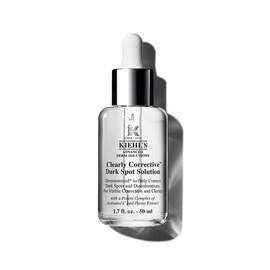


Clearly Corrective™ Dark Spot Solution
A dark spot serum with Activated C that helps to boosts clarity, fades dark spots, post-acne marks & pigmentation for an even, radiant, glass-skin glow.


Ultra Pure High-Potency 5% Niacinamide Serum
A concentrated 5% Niacinamide serum for oily skin made with only 10 ingredients that visibly reduces excess oil and imperfections. Kiehl's niacinamide serum uses a potent and efficacious formula to minimise the appearance of shine and redness for balanced, healthy-looking skin.
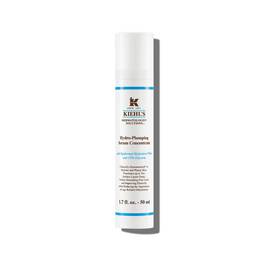


Hydro-Plumping Serum Concentrate
An efficacious skin plumping serum that hydrates to help skin maintain its bouncy appearance.
EXPLORE MORE SKINCARE ADVICE


STAY IN TOUCH
