

What is a Clay Cleanser, and Is it Right for Your Skin Type?
Lauded for its detoxifying qualities, clay has a long history as a beauty and skincare ingredient. So you’ve probably heard of clay masks – but what about clay cleansers?
This type of facial cleanser has a strong reputation for regulating oil production and purifying pores to help rebalance the skin. So, if you’re looking for a cleanser for blemish-prone skin or oily skin, a clay cleanser could be the answer.
Read on for our deep dive into clay cleansers, what they do for the skin, and how to know if this product is right for your specific concerns.
What is a clay cleanser?
A clay cleanser is a type of facial cleanser that contains clay ingredients to deeply purify and detoxify the skin. Clay cleansers are typically formulated with kaolin clay and bentonite clay – both known for their effectiveness when it comes to extracting impurities from the skin.
Using these purifying ingredients, clay cleansers are designed to deeply cleanse pores, control excess oil, mattify the skin, and diminish the appearance of enlarged pores. Clay also comes with a range of detoxifying properties, and the type many Kiehl’s products use – fairly traded white clay from the mouth of the Amazon River – owes these benefits to a mix of minerals, metals, and salts. It’s no surprise this clay has also been called “Magic Earth” throughout history!
What does a clay cleanser do?
A clay cleanser works by drawing dirt, sebum, pollution, makeup residue, and other debris from the skin surface. This detoxification process is a major benefit for oily skin types and those with blemish-prone skin because external pollutants often exacerbate skin concerns. Bentonite and kaolin clay are particularly effective for such skin types because they absorb excess sebum – helping minimise shine and prevent clogged pores.
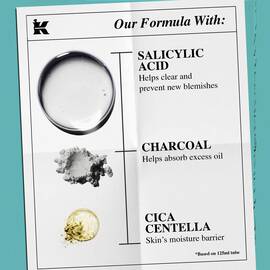
Some clay cleansers also have a gritty texture and contain chemical exfoliants – like salicylic acid – which can gently exfoliate dead skin cells to leave you with smoother, visibly refined skin texture. For example, Kiehl’s Gently Effective Blemish-Targeting Facial Cleansing Paste contains a wide range of ingredients – including salicylic acid to treat blemishes, charcoal to absorb oil, and kaolin clay to draw out impurities – to dry out pimples while respecting your skin moisture barrier.
Best skin types for clay cleansers
If you’re struggling to manage breakouts and excess oil, clay cleansers might be suitable for your concerns. However, they aren’t a ‘one-size-fits-all’ type of cleanser – so let’s find out if a clay cleanser is right for you.
- Blemish-prone skin: As you might have guessed by now, clay cleansers can be highly useful in managing breakouts because they draw out impurities and excess oil from the skin – two of the main contributors of blemishes.
- Oily and combination skin: Thanks to their sebum-regulating qualities, clay cleansers are ideal for oily skin types. They’re also suitable for combination skin types, since they won’t over-dry the complexion.
- Dry and sensitive skin: Since clay cleansers draw oil from the skin, this makes them less compatible with dry and sensitive skin. types. However, if you have blemish concerns, you may still be able to incorporate a gentle clay cleanser formula that includes hydrating ingredients like glycerin to prevent the skin from drying out. We suggest using only once per week at most if your skin is dry or sensitive.
One clay cleanser we love is the Rare Earth Deep Pore Daily Cleanser. Formulated with Amazonian white clay, this clay cleanser gently removes oil, dirt, and toxins, while minimising the appearance of enlarged pores. Suitable for both oily and normal skin types, this cleanser also harnesses the comforting properties of aloe barbadensis to exfoliate and soften – rather than dry out – your skin.
Clay cleansers vs blemish cleansers: Which is right for you?
If you’re prone to blemishes and excess oil, you’re probably wondering what the differences are between a face wash for blemish-prone skin and a clay cleanser for blemish-prone skin.
Certain clay cleansers are gentle enough for daily use – however, you may prefer to use your standard cleanser for blemish-prone skin alongside a clay cleanser a few times a week for a deep clean. Below, you’ll find our tips for when to use each type of cleanser.
Clay cleansers are generally best for:
- Detoxifying pores
- Absorbing oil and rebalancing
- Gently mattifying the skin
- Thorough, deep cleanses
Blemish-prone cleansers are generally best for:
- Targeting blemishes directly
- Delivering blemish-fighting ingredients to the skin (salicylic acid, glycolic acid)
- Diminishing the look of post-blemish hyperpigmentation
- Daily use for existing blemishes
When and how to use a clay cleanser
You can incorporate a clay cleanser into your blemish-prone skincare routine two to three times per week – or adjust as needed for your skin type. It can be alternated with your usual gel or blemish cleanser in the evening to help remove impurities from the day. However, you might want to incorporate a hydrating serum on the days that you use your clay cleanser to support hydration. You can follow the below steps:
- In the evening, apply your clay cleanser onto damp skin.
- Gently massage the product into the skin for approximately 30 seconds.
- Rinse thoroughly with lukewarm water to remove all traces of your clay cleanser.
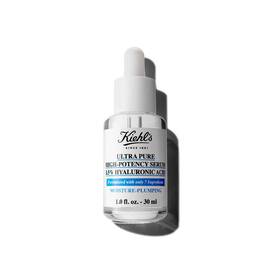
- Apply a hydrating serum onto damp skin. We suggest two to three drops of the Ultra Pure High-Potency 1.5% Hyaluronic Acid Serum.
- Seal in hydration with a lightweight moisturiser like our Ultra Facial Oil-Free Gel Cream.
Final tips: Finding the right cleanser combo
Substituting your standard cleanser with a clay option is just one way to integrate a clay cleanser into your routine.
Kiehl’s has recently developed the Gently Effective Blemish-Treating Cleansing Paste, a daily blemish-cleansing paste that’s enriched with salicylic acid – one of the best ingredients to manage blemish-prone skin – and kaolin clay to help extract impurities.
The formula is also infused with bio-based cica-centella and glycerin to help support the skin moisture barrier. Suitable for all skin types – including sensitive – the Gently Effective Blemish-Treating Cleansing Paste can be applied in three ways: as a cleanser, mask, or spot treatment.
- As a cleanser: Apply as a daily cleanser, working into a gentle lather on damp skin. Rinse thoroughly.
- As a mask: Leave the formula on for 10 minutes, then rinse thoroughly. Pat the skin dry.
- As a spot treatment: Leave the formula on overnight to target blemishes directly. Rinse in the morning.
Remember, when it comes to targeting breakouts, patience and consistency are vital. With the combination of a clay cleanser and other anti-blemish products, you can work towards clearer, smoother, more refined skin.
Now that you’ve studied up on clay cleansers for blemish-prone skin, find out how pimple pitches work.
SHOP THIS ARTICLE
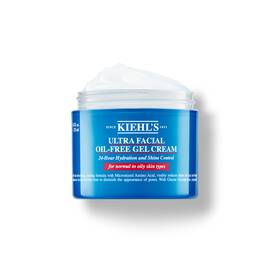
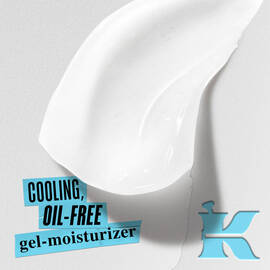
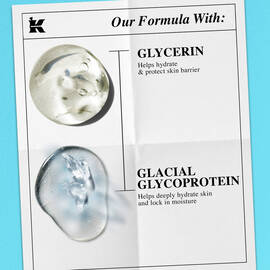
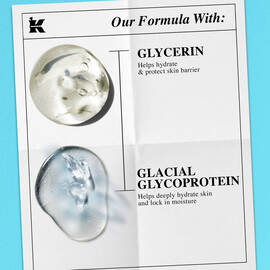


Ultra Facial Oil-Free Gel Cream
Looking for a lightweight, oil-free moisturiser? Kiehl's Ultra Facial Oil-Free Gel Cream features a fast-absorbing gel cream formula that is ideal for those with oily and normal skin types.
Ultra Pure High-Potency 1.5% Hyaluronic Acid Serum
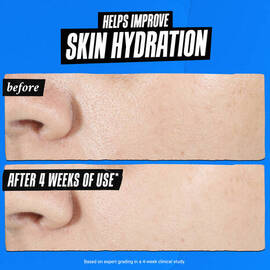
A concentrated 1.5% Hyaluronic Acid serum for dry skin made with only 7 ingredients that helps replenish and retain moisture for healthy-looking, hydrated skin.
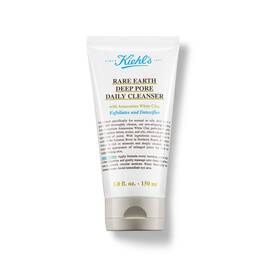
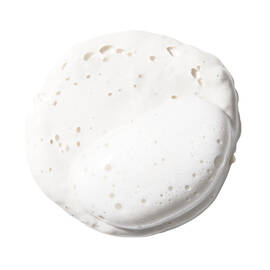
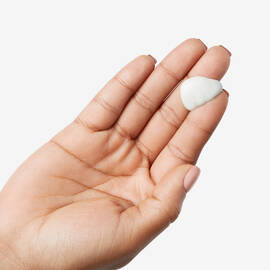
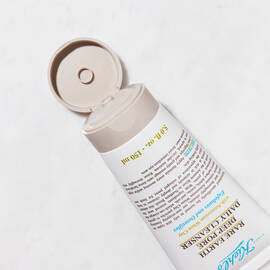
Rare Earth Deep Pore Daily Cleanser
A daily deep pore facial cleanser that gently detoxifies and exfoliates skin.
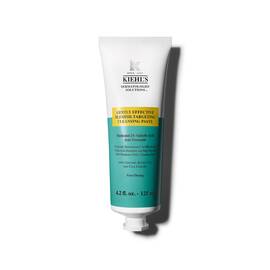
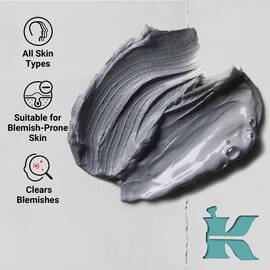
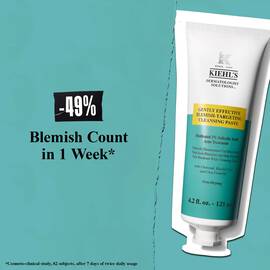
Gently Effective Blemish-Treating Facial Cleansing Paste
A targeted blemish-cleansing paste with 2% Salicylic Acid and Kaolin Clay that helps reduce and prevent blemishes without drying skin.


