

Your Ultimate Guide to Sensitive Skin
Sensitive skin often goes unnoticed or untreated. You might dismiss it as occasional dryness or discomfort, instead of recognising it as a skin type that needs a more considered approach.
So, how do you know if you have sensitive skin?
Well, many people with sensitive skin experience visible redness or an uncomfortable sensation when using certain products or when exposed to environmental factors like wind, sun, or pollution. Your skin may react quickly to new skincare, fragrances, or even changes in temperature. If your skin often feels tight or shows visible signs of facial redness, it could be a sign that it’s more sensitive than you think.
The good news is that sensitive skin is more common – and far less complicated – than it seems. It simply means your skin needs a gentler routine with more natural skincare ingredients. In this guide, we’ll explain what sensitive skin is, how to recognise it, and how to build a sensitive skincare routine – so you can understand it and care for it with confidence.
What is sensitive skin?
Sensitive skin is a skin type that reacts easily to both internal and external triggers. You’ll often notice skin redness and dryness; Sensitive skin doesn’t always show visible signs – you may feel it as discomfort instead.
What causes sensitive skin can vary from person to person, but a damaged skin moisture barrier – the outermost layer of your skin that works like a protective seal – is a common reason.
It’s made up of tightly packed skin cells and natural oils that lock in moisture and block out irritants. When it weakens (often due to over-cleansing, harsh ingredients, or environmental stress like cold weather and pollution), your skin loses moisture easily and struggles to defend itself against everyday stressors.
How do you know if you have sensitive skin? 5 sensitive skin signs
It can be difficult to understand how your skin is behaving, but there are a few clear sensitive skin symptoms that can help you recognise it and adjust your skincare routine.
Common sensitive skin signs include:
- Facial redness
- Dryness and flakiness
- Tightness after cleansing
- Tingling when applying new products
- Frequent or unexplained breakouts
Still unsure if you have sensitive skin? Our Instant Skin Reader gives you a personalised analysis of your skin and builds a skincare routine designed around your skin’s needs.
What causes sensitive skin?
There isn’t one single answer to what causes sensitive skin – it’s often shaped by both genetics and everyday triggers. Your skin may be naturally more reactive, while external factors gradually weaken how it functions and feels.
Common causes of sensitive skin include:
• Weather: Cold air, heat, and wind can draw moisture out of your skin, leaving it feeling dry and exposed.
• UV rays: Even on cloudy days, ongoing sun exposure can weaken your skin moisture barrier and increase sensitivity.
• Pollution: Daily exposure to pollutants can trigger oxidative stress – where environmental damage weakens your skin’s ability to protect itself – which can show up as visibly stressed skin.
• Stress: When you’re stressed, your skin often shows it through facial redness and breakouts.
• Lack of sleep: Your skin repairs itself most effectively overnight. When you don’t get enough sleep, it disrupts and slows down this renewal process.
• Diet: Your skin responds to what you eat, with nutrients playing a role in how it looks and feels.
• Hard water: Minerals can sit on your skin’s surface, leaving it feeling tight or dry.
• Fragrance: Found in skincare, perfumes, and even some body products, added fragrance can trigger sensitive skin and lead to discomfort or visible reactions.
• New skincare products: Introducing strong formulas too quickly can throw your skin off balance, causing sensitivity.
• Genetics: Your skin’s baseline sensitivity is often inherited, which can affect how strong your skin moisture barrier is and how easily it reacts to everyday stressors.
How do you care for sensitive skin? A 5-step sensitive skincare routine
Whether you experience outward signs of sensitive skin or only have occasional discomfort, it is important to care for these concerns while also helping your skin stay hydrated and protected.
Below, we take you through a sensitive skincare routine centred on gentle formulas with natural ingredients that help comfort your skin and minimise sensitivity.
1. Wash your face with gentle, hydrating facial cleanser
Cleansing is the first step in any skincare routine, helping to remove daily build-up from your skin. For sensitive skin, it’s important to choose a cleanser that won’t remove the essential oils and moisture your skin may already be struggling to retain.
Our Ultra Facial Barrier-Hydrating Cleanser uses gentle amino acid surfactants to cleanse, while squalane and glycerin help your skin stay hydrated. The fragrance-free, soap-free formula helps maintain moisture as it cleanses, so your skin doesn’t feel tight afterwards.
Use lukewarm water and gently massage the cleanser into your skin using light, circular motions. Avoid scrubbing or hot water, which can increase sensitivity.
2. Apply a mild, alcohol-free toner
After cleansing, your skin becomes more receptive, making it the ideal time to layer hydration.
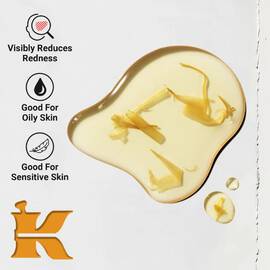
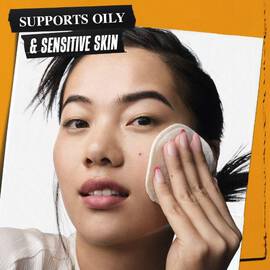
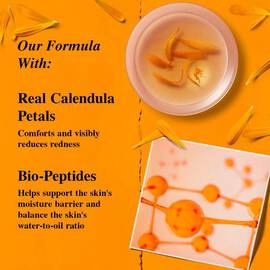
This is what a toner does – rebalance your skin and keep it hydrated. Our Calendula Herbal Extract Toner uses calendula, a key ingredient in Kiehl’s formulas since the 1960s, to help manage stressed skin and reduce facial redness.
Press it gently into your skin using a cotton pad, focusing on areas that are prone to dryness, such as your cheeks, nose, and forehead.
3. Use a moisturiser specifically for sensitive, compromised skin
Apply your moisturiser while your skin is still damp from toner to keep your skin hydrated and strengthen your skin moisture barrier, so it protects you against daily triggers that can increase sensitivity.
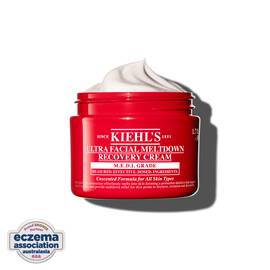
Our Ultra Facial Meltdown Recovery Cream combines colloidal oatmeal and α-bisabolol to reduce sensitive skin symptoms such as facial redness and dryness, while helping ease that feeling of tightness when it appears.
Apply morning and night, the formula melts into your skin and absorbs without residue. If your skin shifts throughout the day, you can reapply to the areas that need a little more support.
4. Deeply hydrate with an overnight face mask
Keep the rest of your sensitive skincare routine minimal, but two to three nights a week, add an overnight mask to support your skin while it resets. At night, your skin shifts into repair mode, so it is the right time to layer in extra hydration.
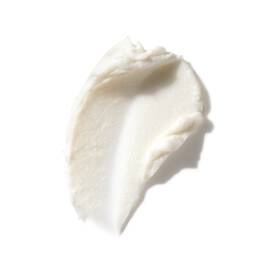
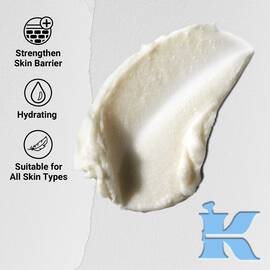
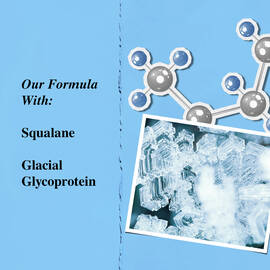
Our Ultra Facial Overnight Rehydrating Mask with 10.5% Squalane helps reduce moisture loss while you sleep. Squalane closely matches the oils your skin produces, replenishing hydration in a way that feels lightweight and well-tolerated by sensitive skin.
Start with once a week, then build up to two to three nights as your skin responds. Apply as the final step and leave it on overnight to help your skin retain moisture.
5. Protect your skin with daily SPF
Last but certainly not least, a daily sunscreen is essential for all skin types, including sensitive skin.
Look for a formula that also provides pollution protection to defend against free radicals and other potential irritants. You may also want to try a mineral sunscreen for sensitive skin that provides SPF protection in a lightweight formula.
Having sensitive skin doesn’t mean limiting your routine – it just means choosing the right approach. Next, learn how retinol can work for sensitive skin.
Shop this article.
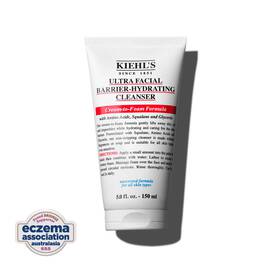
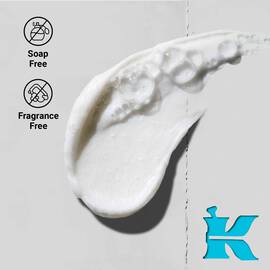

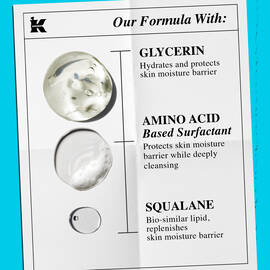

Ultra Facial Barrier-Hydrating Cleanser
A hydrating, cream-to-foam face cleanser for sensitive skin that lifts impurities while supporting the skin barrier. <br>Recognised by EAA for suitability on eczema-prone skin
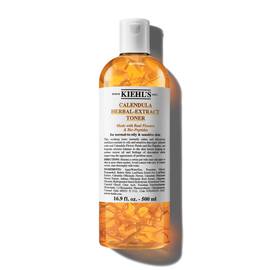

Calendula Herbal Extract Toner
A soothing herbal extract toner infused with Calendula petals and bio-peptides to help visibly reduce redness and balance the skin’s water to oil ratio.
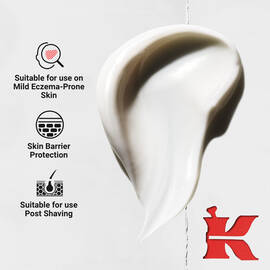
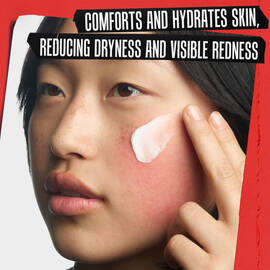
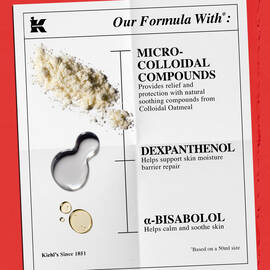
Ultra Facial Meltdown Recovery Cream
A lightweight medicated face cream with Colloidal Oatmeal and α-Bisabolol that works to relieve and repair extremely dry, sensitive skin.
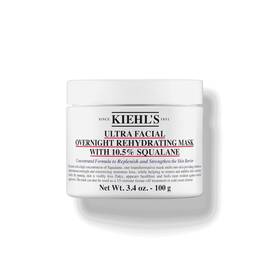
Ultra Facial Overnight Rehydrating Mask with 10.5% Squalane
A deeply hydrating overnight face mask for dry skin that helps lock moisture and stabilise the skin moisture barrier to support dry, tight and flaky skin.
EXPLORE MORE SKINCARE ADVICE


STAY IN TOUCH
