

How to Care for a Damaged Skin Moisture Barrier
The skincare world is abuzz with talk of the skin moisture barrier. Often referred to as a shield or protective layer, the skin moisture barrier is the skin’s primary defence against the outside world – including stressors like UV rays, pollution and bacteria. But when you have a damaged skin moisture barrier, it can trigger a host of uncomfortable skin concerns.
Far from a fleeting trend, investing in your skin moisture barrier care can set the tone for how your skin looks and feels – and how it protects itself from external aggressors.
Below, we’ve assembled a guide to how to fix a damaged skin moisture barrier and how to spot signs that your skin may be compromised. You’ll also find our recommendations for Kiehl’s products to keep your skin moisture barrier hydrated and resilient.

What is the skin moisture barrier?
The skin is comprised of many interlocking layers, with the skin moisture barrier located at the very surface. The top layer of skin is called the epidermis, and the skin moisture barrier – or stratum corneum – makes up the outermost part of this layer.
The skin moisture barrier has two important functions. It:
- Acts as a built-in shield for the skin, protecting against external factors like pollution, UV rays, and allergens
- Controls transepidermal water loss (TEWL) to prevent skin dehydration

9 signs of a damaged skin moisture barrier
A healthy skin moisture barrier is sealed together by lipids – and when it’s compromised, those natural oils fall away and affect the shield’s ability to hold in moisture.
So, what is compromised skin? Signs of a damaged skin moisture barrier will vary, but there are several common hallmarks:
- Dryness
- Redness
- Flakiness
- Tightness
- Dullness
- Blemishes
- Discomfort like tingling or prickling sensations
- Rough patches and scaly skin
- Increased sensitivity to external stimuli – even products you’ve used before

What causes a damaged skin moisture barrier?
A healthy skin moisture barrier can defend your skin from external stressors while maintaining moisture levels, often with no skincare intervention required. But it isn’t invincible – and there are plenty of factors that unsettle the skin moisture barrier’s equilibrium.
A damaged skin moisture barrier can be caused by:
- Cold weather
- Very humid or very dry environments
- Pollution
- UV exposure
- Over-cleansing
- Over-exfoliating
- Stress
- Hormonal changes
- Over-doing it with potent skincare ingredients (like retinol and chemical exfoliants)
- Harsh products with alcohols and fragrances
It’s worth noting that certain skin types are more prone to damage than others. Dry skin holds fewer lipids in the skin, so it can be more susceptible to further moisture loss (which leaves the skin vulnerable to aggressors). Sensitive skin types are more likely to be triggered by external stressors – so may find that their skin is more easily compromised.

Strengthens the skin moisture barrier
A healthy complexion begins and ends with the skin moisture barrier.
Located within the stratum corneum, this all-important layer is responsible for keeping the skin well-lubricated with lipids and water, while blocking out harmful skin stressors like UV rays, pollution, and other environmental stimuli.
There are a number of factors that can cause a damaged skin moisture barrier: including harsh skincare products, exposure to extreme weather conditions, sun damage and stress.
Now, what does squalane do for the skin moisture barrier? Well, this is where squalane-infused skincare products can intervene and act as a second shield for your skin’s outermost layer: locking in your natural oils and mitigating dryness and transepidermal water loss.

How to repair your skin moisture barrier
So, you’ve identified that you have a damaged skin moisture barrier – what happens next?
Fortifying your skin moisture barrier can take time, so it’s important to be patient. Thankfully, with the right products and ingredients, you can improve skin moisture levels, dullness and texture, and effectively care for your compromised skin moisture barrier.
Want to learn more? Read our six expert tips below.
1. Scale back your skincare routine
Your first instinct to repair your skin moisture barrier might be to expand your skincare routine to find a solution – the equivalent of throwing every product at the problem. However, this can have the opposite intended effect – and, conversely, cause further disruption to your skin’s outermost layer.
The best thing you can do for a damaged skin moisture barrier is to simplify your skincare routine instead. A damaged skin moisture barrier skincare routine is about going back to basics: cleanser, moisturiser, and sunscreen. (And, if your skin can handle it, maybe a hydrating serum or overnight oil.) Strong actives can wait!
2. Use a gentle cleanser
When curating a skincare routine to care for your damaged skin moisture barrier, it’s important to think about the type of cleanser you’re using – as a product with potent ingredients can further upset your stratum corneum.
Start with a gentle cleanser to remove dirt and grime that may have accumulated during the day or overnight. This step helps remove external pollutants that can cause discomfort to an already damaged skin moisture barrier and prepare your skin to take in nourishing, hydrating skincare steps.
Our pick for this is the Ultra Facial Cleanser, which combines gentle foaming agents with emollients like squalane and vitamin E for an efficient, pH balanced cleanse that leaves skin feeling fresh and supple.
.jpg?sw=800&sh=800&sm=cut&q=70)
3. Switch to a skin moisture barrier cream
Getting your skin back to a state of balance takes a gentle nudge from nourishing ingredients, and a specific skin moisture barrier cream is going to help you defend against stressed skin and amplify skin hydration.
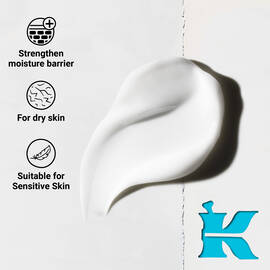
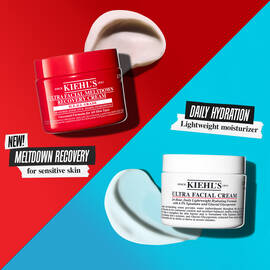
A comforting skin moisture barrier cream for compromised skin, our Ultra Facial Cream with Squalane contains a combination of hydrating ingredients. This cream is particularly effective for sensitive skin and dry skin types, thanks to its gentle and fragrance-free formula.
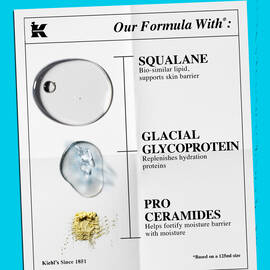
A hero ingredient in our number one ultra-hydrating cream is squalane – a lipid that absorbs easily into skin, helping the skin moisture barrier to fortify itself. Glycerin and glacial glycoprotein work to further hydrate and reinforce the skin.
For very dry, sensitised skin with visible redness, we recommend the Ultra Facial Advanced Repair Balm. Developed to mimic the skin’s natural lipids, this breathable skin moisture barrier cream is formulated with colloidal oatmeal to comfort sensitive skin and support extra-dry skin.

4. Amplify skin hydration
To get the most out of your skin moisture barrier repair cream, we recommend using it alongside other skincare products that also provide useful benefits – such as hydration, comfort, smoothing and brightening – to a compromised skin moisture barrier.
For a dedicated night skin oil with helpful skin barrier ingredients, opt for our bestselling Midnight Recovery Concentrate. Use as a final step in your night time skin routine for a skin comforting combination of botanical lavender, squalane and evening primrose oils to nourish a damaged skin moisture barrier while you get your beauty sleep.
Alternatively, you can turn to the Ultra Facial Overnight Rehydrating Mask with 10.5% Squalane to lock in moisture at the skin surface and deliver deep nourishment overnight. Designed to stabilise the skin moisture barrier, this face mask can be used up to three times per week in place of your usual skin moisture barrier repair cream. Simply apply onto freshly cleansed skin and leave overnight.

5. Apply SPF daily
Arguably the most important step in any skincare routine, always remember to complete your morning skincare with a broad-spectrum sunscreen that has a high sun protection factor. It’s one of the best tools in your skincare arsenal, as studies have shown UV exposure may account for up to 80% of visible skin ageing1. UV damage is also one of the major triggers for a damaged skin moisture barrier.
Whichever sunscreen you choose, apply generously to ensure even coverage, reapply as needed and follow other sun safety guidance like seeking shade and putting on a hat when in direct sunlight.

6. Seek expert advice
If you’ve scaled back your routine with gentle products but are still struggling to care for your damaged skin moisture barrier on your own, it might be time to consult an expert.
From helping you understand what your skin is going through to personalised product recommendations, head to our skin services to pick the online or in-store option for you. Alternatively, seek the assistance of a dermatologist when more in-depth advice is needed.
If you find that you’re battling a damaged skin moisture barrier in the colder months, explore our guide on how to care for dry skin in winter to keep your hydration levels in check.
SHOP THE SELECTION
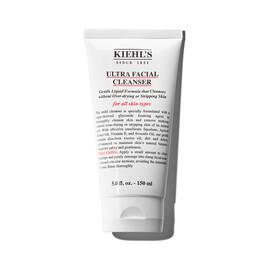
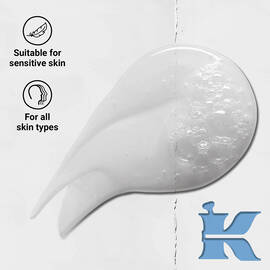
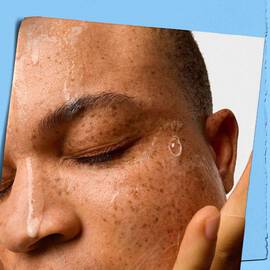
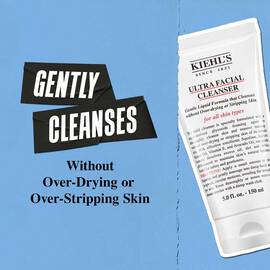

Ultra Facial Cleanser
A foaming facial cleanser suitable for all skin types, including dry and sensitive. Gently removes excess oil, dirt and debris without drying or stripping the skin.
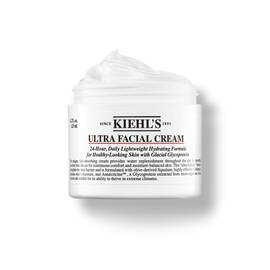
Ultra Facial Cream with Squalane
Our #1 squalane moisturiser delivers ultra-lightweight, 24-hour hydration and promotes barrier repair for softer, healthier skin.
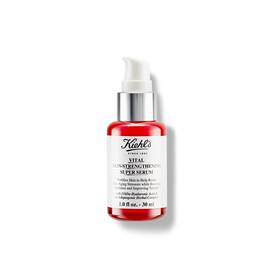
Vital Skin-Strengthening Super Serum
A skin-strengthening serum that helps protect against skin-aging stressors and visibly correct signs of aging.


