

What are Free Radicals? Causes, Effects, and How to Manage Them with Antioxidant Skincare
Our skin is as much a product of the external environment as our internal biological processes. Free radicals – and the subsequent havoc they can wreak on skin long-term – is where extrinsic and intrinsic factors converge.
Free radicals can be quite a nebulous topic to unpack since they’re not something we can see with our eyes – we only notice the effects they leave behind.
So, what are free radicals in skin?
Understanding what free radicals are shouldn’t take a science degree, so we’ve created a simplified guide to help you understand how they impact your skin – and how antioxidant skincare can help reduce their effects.
What are free radicals?
Free radicals are unstable oxygen molecules, and their instability comes from having one or more unpaired electrons. For anyone who dissociated during chemistry class, electrons need to be in pairs to remain stable, neutral, and benign. A free radical will try and correct its electron imbalance by snatching an electron from another molecule. The newly lone molecule then becomes unstable and turns into a free radicle itself, desperately seeking its own electron buddy – perpetuating the cycle of stealing. As this electron thievery continues, it eventually results in damage to your body’s cells.1
What causes free radicals?
While free radicals can occur as part of your body’s biological processes and reactions, they can also be driven by external stressors, including:
- UV exposure
- Pollution
- Diet
- Smoking and vaping
- Alcohol consumption
- Chronic stress
Just like your body produces free radicals, it also produces its own antioxidants – which act as a neutraliser of free radicals. But when we have high or repeated exposure to these stressors, it causes the number of free radicals to outweigh the number of antioxidants. This results in a process “oxidative stress” which can cause long-term damage to skin cells2.
What does oxidative stress do to skin?
Oxidative stress can have significant effects on the skin, interfering with your skin moisture barrier, collagen and elastin production, melanin synthesis, and causing cellular damage over time.
Ongoing oxidative stress can lead to:
- Fine lines and wrinkles
- Dullness and uneven skin tone
- Loss of firmness and elasticity
- Dark spots and hyperpigmentation
- Damaged skin moisture barrier
- Increased sensitivity
What does antioxidant skincare do for skin?
Remember all that ruthless electron stealing? Well, since antioxidants are fairly stable molecules, they act your body’s very own electron doner, counteracting the cell damage that occurs from free radicals’ cycle of theft2.
In this sense, antioxidant skincare can help neutralise the effects of free radical damage and safeguard your skin against oxidative stress. Antioxidant skincare products have become synonymous with improving radiance, evening skin tone, diminishing the look of hyperpigmentation, minimising facial redness, and supporting collagen synthesis.
4 powerful antioxidant skincare ingredients
Before you can take advantage of antioxidant skincare benefits, it’s time we explored some of the hero ingredients that feature in antioxidant-rich skincare.
- Vitamin C: Arguably the gold standard of antioxidant skincare, vitamin C is available in several forms, ranging from its purest and most potent (L-Ascorbic acid) to its gentler derivatives (ascorbyl glucoside). Vitamin C is a powerful brightening agent that helps diminishes the look of hyperpigmentation, but it’s also known for its ability to stimulate collagen production.
- Niacinamide: Also known as vitamin B3, niacinamide is another potent antioxidant famed for its capacity to diminish facial redness, brighten and even skin tone, and reinforce the skin moisture barrier.
- Vitamin E: A fat-soluble antioxidant that can also supports moisture retention, vitamin E is commonly found in skincare products for dry skin – like our Lip Balm #1.
- Ferulic acid: A plant-based antioxidant that also stabilises and enhances the effects of vitamin C and vitamin E.
How to manage free radical damage in skin
The most effective strategies for managing – and preventing – free radical damage in skin is to introduce antioxidant skincare into your routine and limit your exposure to environmental aggressors like UV rays and pollutants.
Below, we’re sharing four tips to help you safeguard your skin against free radicals.
Cleanse to remove pollutants
Cleansing is an integral step in managing free radical damage: cleansers remove impurities and pollutants that accumulate on the skin and contribute to oxidative stress.
Alongside daily cleansing, you can also enjoy antioxidant skincare benefits with the Clearly Corrective™ Brightening & Exfoliating Daily Cleanser. This gentle exfoliating cleanser is formulated with white birch extract, a natural botanical ingredient that contains vitamin C compounds to protect the skin from environmental stressors.
Apply a vitamin C serum
Using a vitamin C serum in the morning as part of an antioxidant skincare routine can help protect your skin from environmental stressors like UV exposure while counteracting the effects of free radical damage in skin.
Kiehl’s most potent L-ascorbic vitamin C serum, the Powerful-Strength Line-Reducing Concentrate is formulated with 12.5% vitamin C to boost radiance, firm skin, and visibly diminish the appearance of fine lines, wrinkles, and enlarged pores.
For specific dark spot reduction, we recommend the Clearly Corrective™ Dark Spot Solution. Formulated with activated C, a stabilised, fast-acting derivative of vitamin C, this serum is designed to boost skin clarity, brighten skin, and reduce the appearance of hyperpigmentation.
Use niacinamide-infused skincare
Niacinamide is one of the most powerful antioxidant skincare ingredients to neutralise free radicals and promote more even-toned skin. It also helps reinforce the moisture barrier, which is your skin’s first line of defence against external aggressors that trigger oxidative stress in skin.
For oily skin, we recommend the Ultra Pure High-Potency 5% Niacinamide Serum, which delivers antioxidant protection while regulating oil flow and smoothing the appearance of textured skin.
If you have dry or sensitive skin but still want to utilise antioxidant skincare benefits, a gentler alternative to a niacinamide serum is the Clearly Corrective™ Clarity-Activating Soothing Emulsion. Enriched with activated C, niacinamide and licorice root, this emulsion comforts stressed skin, enhances skin clarity and radiance, and delivers lightweight hydration alongside antioxidant protection.
Wear daily SPF
UV exposure is the responsible for up to 80% of oxidative stress in the skin3 – and the biggest contributor of accelerated ageing – so sunscreen is a critical component of your free radical defence force.
Since Australia’s UV rays are especially harmful, it’s important to wear sunscreen with high a protection factor (50+) any time the UV index is three or above. Apply SPF at the end of your morning skincare ritual at least 20 minutes before sun exposure.
Antioxidant skincare has become a staple of anti-ageing skincare routines for supporting the textural changes that occur on mature skin – like crepey skin. Next, learn all about what causes crepey skin and how to prevent it.
SHOP THE SELECTION


Lip Balm #1 for Dry Lips
A moisturising lip balm that helps soothe and smooth dry lips.
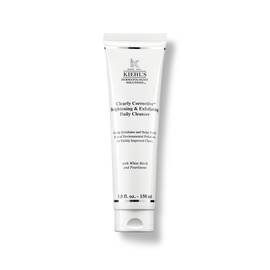
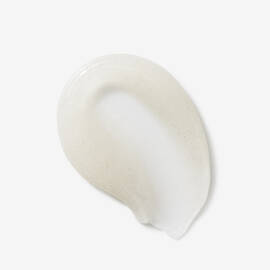

Clearly Corrective™ Brightening & Exfoliating Daily Cleanser
A skin brightening face wash that gently purifies and exfoliates skin.


Powerful-Strength Line-Reducing Concentrate
A potent L-Ascorbic Vitamin C serum formulated with 12.5 percent Vitamin C and Hyaluronic Acid.
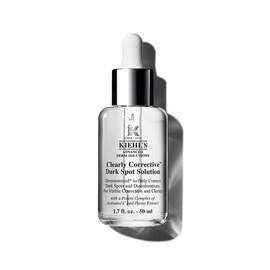


Clearly Corrective™ Dark Spot Solution
A dark spot serum with Activated C that helps to boosts clarity, fades dark spots, post-acne marks & pigmentation for an even, radiant, glass-skin glow.
EXPLORE MORE SKINCARE ADVICE


STAY IN TOUCH
