

How to Care for Dry Skin in Winter: 9 Expert Strategies
When winter arrives, your skin is often the first to feel it. One minute your complexion feels balanced; the next, it feels tight, uncomfortable, and craving moisture.
You wouldn't be alone – winter often sees an uptick in skin concerns for dry skin types, with flaky and rough-textured complexions becoming more common. This happens because cold air holds less moisture than warm air, while indoor heating, hot showers and harsh winds all draw additional moisture from the skin – leaving it drier than usual when winter rolls around.
So, how can you manage dry skin in winter? Read on as we explain what happens to your skin in the colder months, unpack the best skincare ingredients to help prevent dryness, and share nine of our expert tips to help you build a dry skin routine for winter.
What happens to your skin in winter?
In winter, skin loses moisture faster than it can replace it – leaving your skin feeling drier, rougher, and more prone to sensitivity. This happens because cold, dry air draws out moisture from your skin through a process called transepidermal water loss (TEWL) – which refers to the passive evaporation of water from the skin’s surface. Alongside increased temperatures from indoor heaters and the inevitable hotter showers winter brings, these factors combine to rob your skin of moisture. This can show up in your complexion as:
- Facial redness
- Rough-textured skin
- Dull, muted skin tone
- Flakiness from visible buildup of dead skin
- In some cases, tingling sensations and stressed skin
Dry skin in winter can affect all skin types, but people with dry or sensitive skin are the most vulnerable, because the weekened skin moisture barrier these types have holds less hydration to begin with. Combination skin (which is both oily and dry) may not notice dryness until winter, when lower oil production makes dry patches more apparent.
Not sure what your skin type is? Use our Instant Skin Reader for a personalised skin analysis and routine.
Ingredients to support dry skin in winter
The best products for winter skin are infused with natural ingredients, like humectants – such as glycerin and hyaluronic acid – that draw water into the skin. To deeply nourish and moisturise, our skincare for dry skin regimen includes the following ingredients:
- Squalane: extracted from olives, this lightweight botanical oil absorbs easily and helps support the skin moisture barrier, keeping hydration locked in for longer.
- Ceramides: found naturally in skin, ceramides hold skin cells together – helping skin maintain a bouncy appearance, while protecting skin from external stress like dry air.
- Hyaluronic acid: a moisture magnet that draws water into the skin, plumping areas left dehydrated by harsh winter conditions.
- Glycerin: a naturally occurring humectant, glycerin supports the retention of water in skin and helps to address the look and feel of rough skin.
- Colloidal oatmeal: made from finely ground oats, colloidal oatmeal helps comfort dry, stressed-feeling skin and support the skin moisture barrier. It can help reduce the feeling of tightness and discomfort often associated with dry skin in winter.
- Avocado oil: derived from avocado fruit, this nourishing oil contains omega essential fatty acids that help moisturise the skin and seal in hydration.
How to manage dry skin in winter: 9 skincare tips for dry skin
Just as we rotate our wardrobes from summer to winter, your skincare deserves the same seasonal refresh. Below, we explain how to care for dry skin in winter with a handful of powerhouse hydrating formulas and some simple habit changes.
1. Stick to a gentle cleanser
Cleansing impurities from the skin helps keep the skin moisture barrier intact, but it’s important to use formulas that won’t rob it of natural oils.
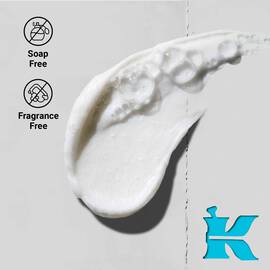
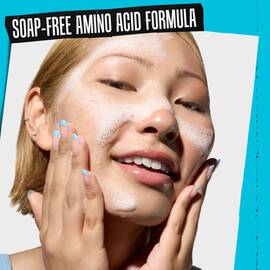
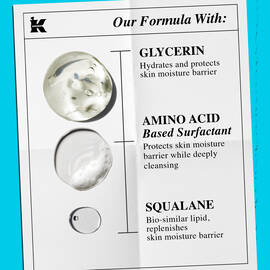
Our Ultra Facial Barrier-Hydrating Cleanser is formulated specifically for sensitive skin, with a pleasant cream-to-foam texture that gently lifts dirt, makeup, and sunscreen. It’s also formulated with squalane and glycerin to provide extra hydration for the skin moisture barrier and see your skin through cold weather.
2. Add a hydrating serum to your routine
Serums are a perfect addition to a dry skin routine because their lightweight, fast-absorbing formulas can deliver hydration directly into your skin, rather than just sitting on the surface.
Our Ultra Pure High-Potency 1.5% Hyaluronic Acid Serum is formulated with just seven ingredients for optimal absorption to hydrate dry skin – a great option if you've spent the day outdoors in the cold. If you're experiencing flaky or dull skin, you can also try our Ultra Pure High-Potency 9.8% Glycolic Acid serum – a highly concentrated formula that reduces the appearance of pores, visibly improves uneven texture, and boosts your skin's glow.
3. Switch to an ultra-nourishing moisturiser
Moisturiser is the cornerstone of hydration for dry skin in winter. Look for the richest, most hydrating formula you can find to fortify your skin against the worst excesses of winter.
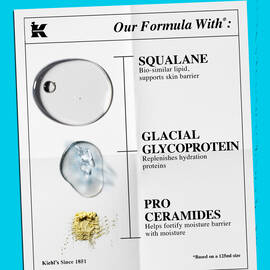
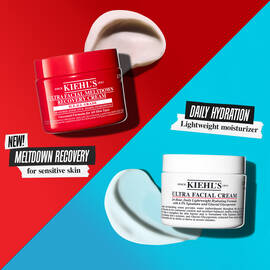
Our Ultra Facial Cream with Squalane delivers 24 hours of hydration through squalane, glycerin, and glacial glycoprotein – an ingredient sourced from Atlantic Sea glaciers – which work together to deeply hydrate your skin and lock that moisture in for longer. Lightweight yet rich, the cream absorbs quickly and doesn’t leave a greasy residue, making it just as suited to layering under makeup in the morning as it is to heavier application before bed.
If your skin is prone to sensitivity, our Ultra Facial Meltdown Recovery Cream is the best product for dry skin that's also sensitive. Formulated with colloidal oatmeal and bisabolol – a comforting ingredient derived from chamomile – it supports your skin's moisture barrier and helps reduce visible dryness and facial redness. Its rich, balm-like texture melts into skin on contact, making it ideal for areas (like the cheeks, around the nose, and around the mouth) that can feel tight or uncomfortable after exposure to cold weather.
4. Hydrate overnight with a face mask or face oil
A nighttime skincare routine is important because your skin's porosity increases in the evenings, enabling it to absorb more of what you apply – the perfect window to deliver even more hydration. Our Ultra Facial Overnight Rehydrating Mask with 10.5% Squalane is designed to be left on overnight, soaking into skin to support the moisture your skin loses throughout those long, brisk winter days. Its gel-cream texture (formulated with glycerin and panthenol to draw in – and lock in – hydration) absorbs gradually as you sleep. So, you can wake up to skin that feels soft, plump, and visibly more hydrated.
Another option is our Midnight Recovery Concentrate Face Oil. It’s formulated with a botanical blend of lavender and squalane to nourish and hydrate your skin while you sleep, helping reduce the appearance of fine lines and wrinkles – which can become more pronounced when skin is dry. Massaging a few drops into your skin before bed doubles as a moment to wind down, too, with lavender's gentle scent helping signal to your senses that it's time to relax as you ease into your nighttime routine.
5. Incorporate once-weekly exfoliation
Many dry skin routines can benefit from gentle exfoliation. When dead skin builds up on the surface, it's harder for moisturiser to sink in and do its job. When you exfoliate your face, you lift away the dull, flaky layer sitting on top of your skin, leaving a smoother canvas for the rest of your routine to work with. Our Clearly Corrective™ Brightening & Exfoliating Daily Cleanser is formulated with pearlstone, a natural exfoliant that polishes away buildup without disrupting your skin's moisture barrier. Used once a week, it helps refresh dry winter skin, supporting a brighter, more even-looking complexion.
6. Use a body moisturiser for all-over hydration
Winter can leave your body feeling just as dry as your face, which is why a hydrating body care routine is a must. Our Ultra Body Mega Moisture Squalane Cream is a lightweight body moisturiser formulated with pro-ceramides to help support the skin moisture barrier and provide hydration for up to three days. Its rich, concentrated formula means a little goes a long way; it melts into your skin in three seconds, leaving it feeling silky, not sticky or greasy.
7. Keep your hands and lips moisturised
Like your face, your hands and lips are constantly exposed to the winter air, making them more prone to dryness, flaking and discomfort.
Our Ultimate Strength Hand Salve is made for active hands that are regularly exposed to cold weather, manual labour, or harsh elements. Enriched with avocado oil, the rich formula delivers all-day hydration and forms a glove-like barrier to leave your hands feeling conditioned and soft.
For your lips, our Lip Balm #1 is formulated with squalane, vitamin C, and aloe vera to help soften dry, chapped lips and ease the feeling of sensitivity caused by cold air and moisture loss. Better still, it’s small enough to fit into your bag, sit on your desk, or be placed in your bedside drawer – so daily top-ups become second nature.
8. Don’t skip the SPF
Don’t be fooled by cloudy winter weather. In Australia, UV rays are present all year round, which means daily SPF still matters even when the sun isn’t shining. UV exposure can weaken the skin moisture barrier, making it harder for your skin to hold onto hydration (which leaves it more prone to dryness). While you can care for a damaged skin moisture barrier, preventing that damage in the first place is always the better option.
9. Turn down the heat
Hot showers and central heating can be tempting in winter, but the benefits don’t always outweigh the costs. Direct exposure to hot water can affect the skin’s natural oils, while central heating dries out the surrounding air, leading to moisture loss. Try lukewarm – instead of scorching hot – water, keep showers shorter, and invest in a humidifier if you're using central heating regularly.
Dry skin in winter is easy to manage with the right hydrating ingredients and routine. Next, find out which moisturiser you should use for your skin type and concerns.
Shop this article
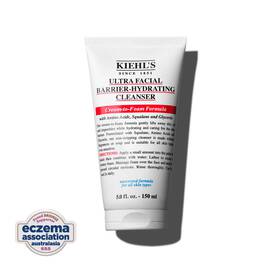

Ultra Facial Barrier-Hydrating Cleanser
A hydrating, cream-to-foam face cleanser for sensitive skin that lifts impurities while supporting the skin barrier. <br>Recognised by EAA for suitability on eczema-prone skin
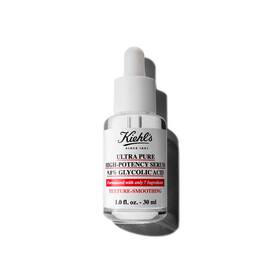

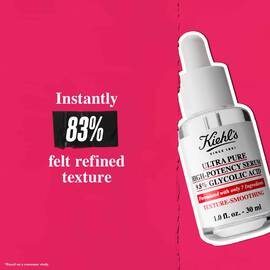
Ultra Pure High-Potency Serum 9.8% Glycolic Acid
A concentrated 9.8% Glycolic Acid serum made with only 7 ingredients that visibly smoothes skin texture and boosts skin’s glow.
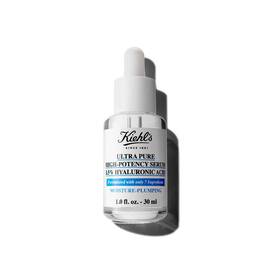
Ultra Pure High-Potency 1.5% Hyaluronic Acid Serum
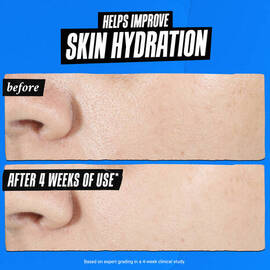
A concentrated 1.5% Hyaluronic Acid serum for dry skin made with only 7 ingredients that helps replenish and retain moisture for healthy-looking, hydrated skin.
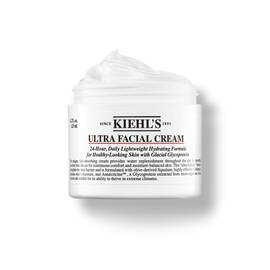

Ultra Facial Cream with Squalane
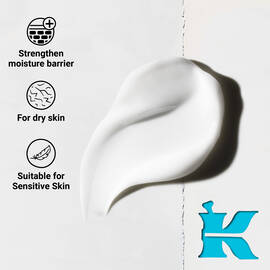
Our #1 squalane moisturiser delivers ultra-lightweight, 24-hour hydration and promotes barrier repair for softer, healthier skin.
EXPLORE MORE SKINCARE ADVICE


Stay In Touch
